Advertisement
Click to download now, finish the installation quickly, and directly unlock the "all-round experience"
Advertisement
Screenshots
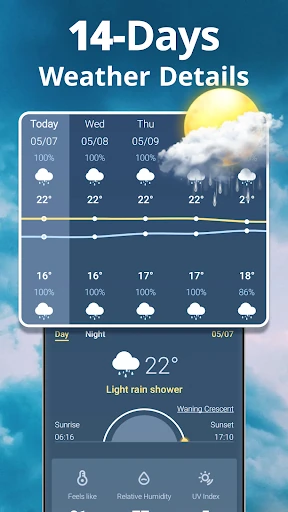
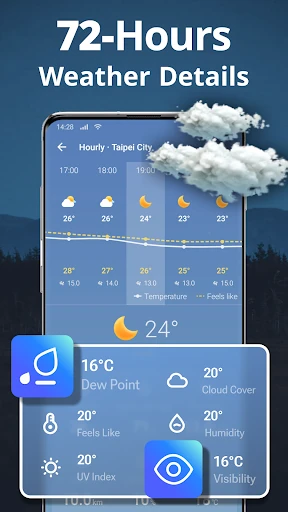
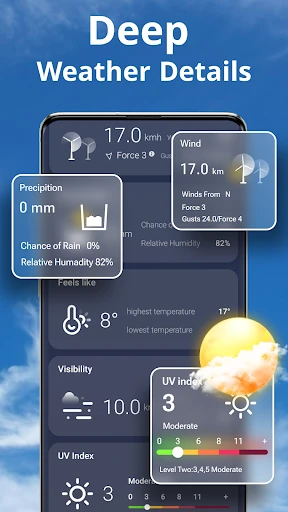
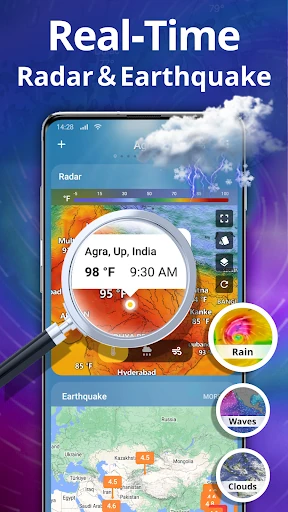
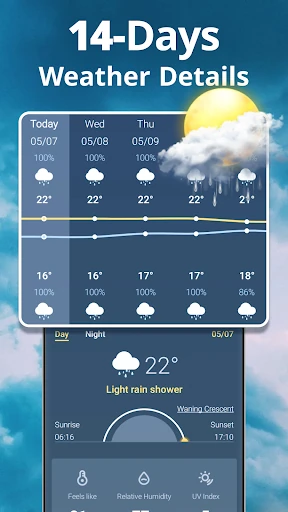
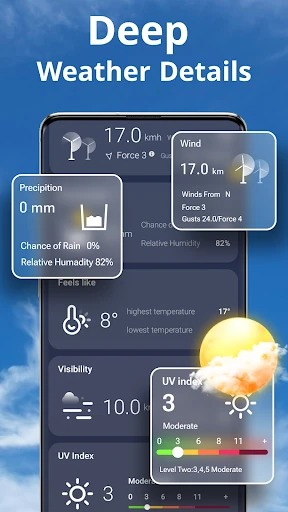
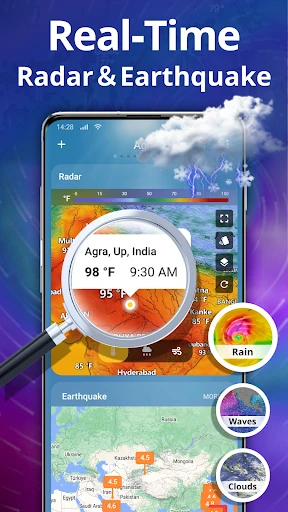
Click to download now, finish the installation quickly, and directly unlock the "all-round experience"
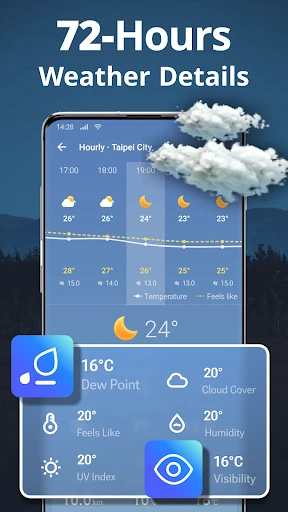
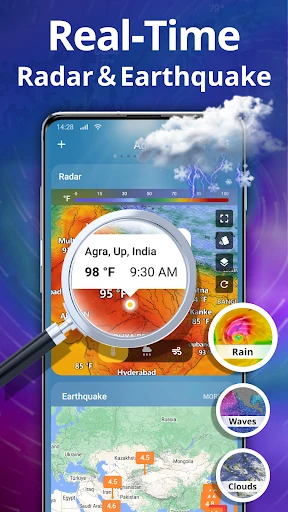
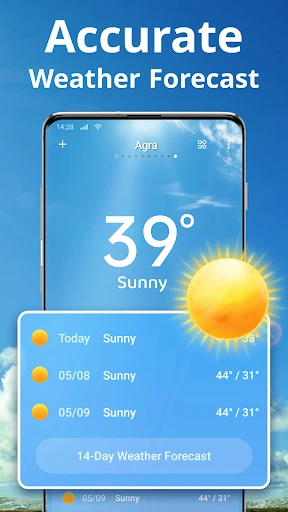
Dida Weather, also known as Weather Forecast, enters a crowded category by positioning itself as more than just a data utility. It serves as a comprehensive environmental monitoring suite that bridges the gap between precise meteorology and lifestyle wellness. By integrating high-fidelity radar, seismic activity tracking, and unique sensory features like ambient rain audio, it offers a distinct alternative to native system weather apps. In the current landscape, it distinguishes itself through its "multi-source" transparency, allowing users to verify data across several top-tier providers.
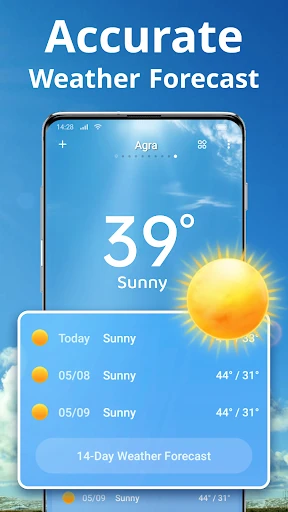
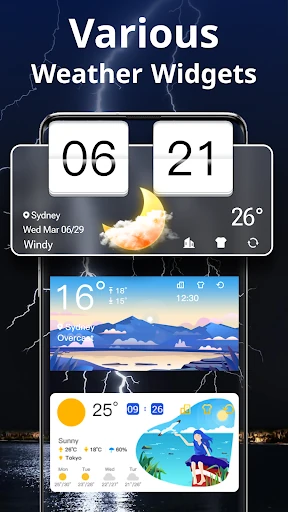
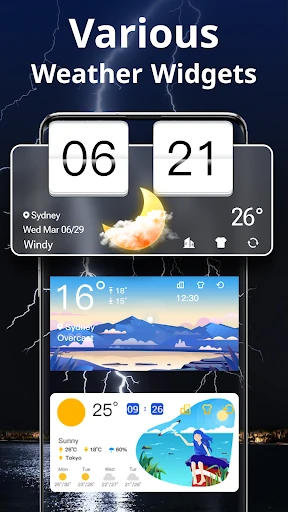
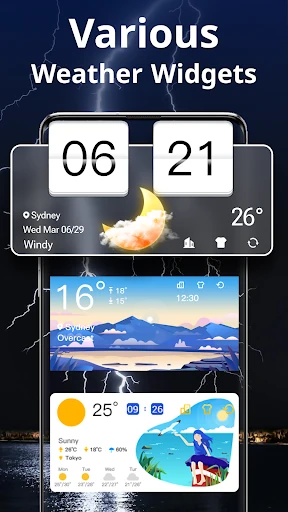
The interface balances high-density information with a "straightforward" design philosophy that prioritizes readability. The use of beautiful visuals and interactive radar maps allows users to pan and zoom across global weather tendencies without significant lag. The UX is particularly strong in its widget implementation, offering various styles that bring essential data to the home screen. The integration of audio cues (rain sounds) adds a tactile, psychological layer to the design, making the app feel more like a personalized dashboard than a static spreadsheet of numbers.
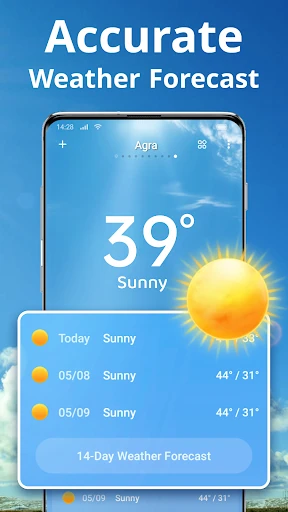
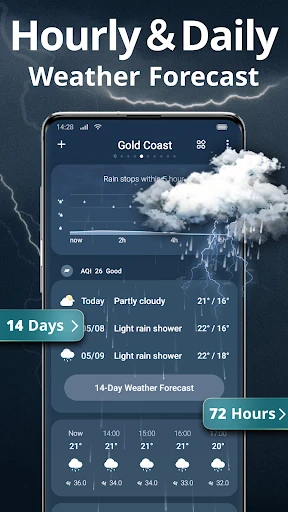
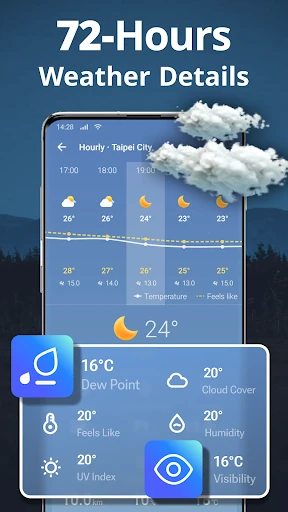
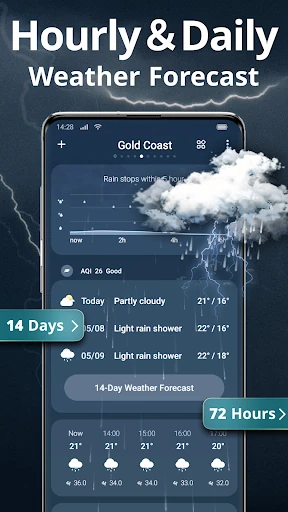
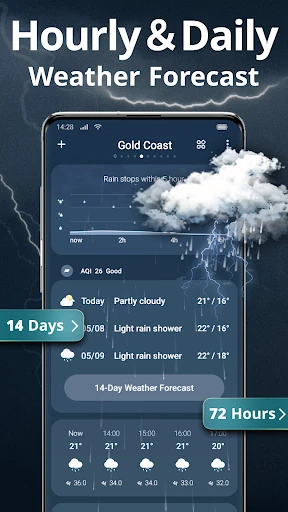
Future updates could benefit from a "Simplified View" toggle for casual users who find the 14-day technical breakdown overwhelming. Additionally, expanding the "Health and Activity" section with more specific recommendations—such as "best time for a run" based on both air quality and humidity—would further solidify its position as a lifestyle-centric weather tool.
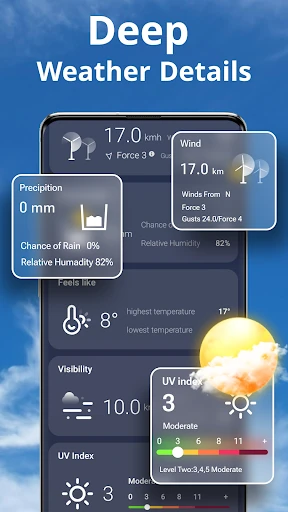
Dida Weather is primarily for power users, travelers, and safety-conscious individuals who require granular environmental data. Its combination of seismic tracking and multi-source forecasting makes it one of the most robust free options on the market. If you are looking for a reliable, feature-rich weather station that lives in your pocket, this is a top-tier recommendation.