
Advertisement
Click to download now, finish the installation quickly, and directly unlock the "all-round experience"
Advertisement
Screenshots

Click to download now, finish the installation quickly, and directly unlock the "all-round experience"
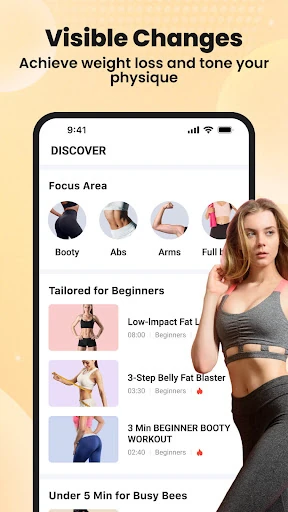
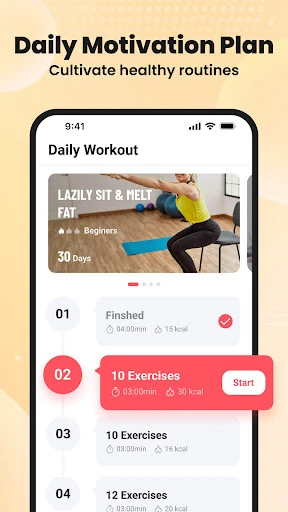
Lazy exercise at home enters the competitive Health & Fitness landscape with a clear, niche-focused value proposition: lowering the barrier to entry for physical activity. As a Senior Analyst, I observe that the app effectively targets the "fitness-reluctant" demographic by re-branding traditional calisthenics into manageable, 4-to-8-minute micro-sessions. While the market is saturated with high-intensity interval training (HIIT) apps, this platform prioritizes consistency over intensity, making it a pragmatic solution for individuals who struggle with time constraints or gym-related anxiety. It serves as a digital bridge between a sedentary lifestyle and a sustainable fitness habit.
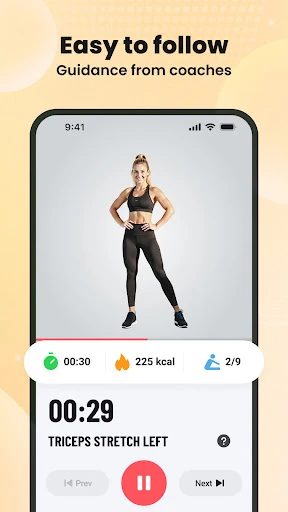
From a UI/UX perspective, Lazy exercise at home adheres to the modern standards of the Health & Fitness category by emphasizing clarity and minimalism. The inclusion of detailed animations and video instructions is critical; in the absence of a physical trainer, these visual cues ensure the user maintains proper form, reducing the risk of injury. The interface is designed to facilitate "effortless self-discipline," meaning the path from opening the app to starting a workout is frictionless. This streamlined flow is essential for the target audience, who may be easily deterred by overly complex navigation or data-heavy dashboards.
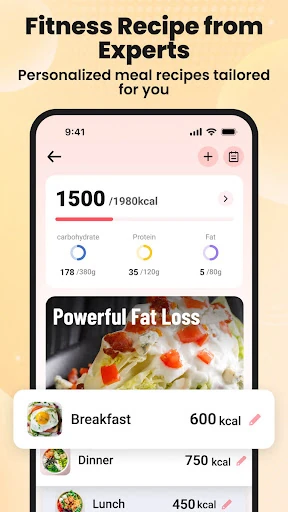
To further elevate the platform, the developers should consider integrating with wearable ecosystems like Google Fit or specialized smartwatches to automate calorie and heart rate tracking. Additionally, adding an "audio-only" mode with descriptive coaching would assist users who cannot constantly look at their screens during certain floor exercises. Expanding the customizable meal plans to include more diverse dietary requirements (such as vegan or gluten-free) would also enhance the holistic health aspect of the app.
Lazy exercise at home is an ideal solution for beginners, busy professionals, and those recovering from minor injuries who need a gentle re-introduction to movement. It successfully strips away the intimidation factor of traditional fitness apps. My final recommendation: if you are someone who finds a 30-minute workout daunting, start here. The 4-8 minute commitment is a scientifically sound way to build the psychological "habit loop" necessary for long-term health transformation.