🏆 Expert Verdict & Overview
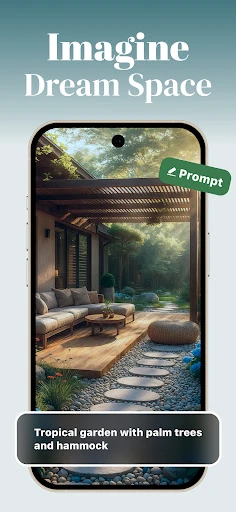
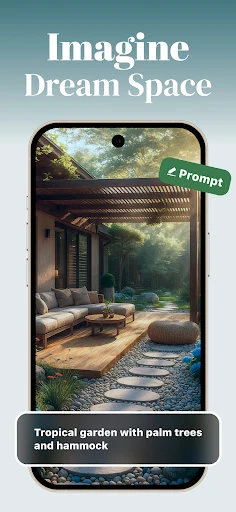
AI Garden & Home: Nano Home positions itself as a versatile, AI-driven powerhouse within the competitive House & Home mobile landscape. By bridging the gap between professional architectural visualization and consumer-level photo editing, it offers a dual-purpose solution for both interior and exterior redesign. In an era where homeowners seek immediate gratification and low-cost design alternatives, Nano Home stands out by offering rapid aesthetic iterations. It effectively democratizes the design process, allowing users to bypass expensive consultations and technical 3D modeling software through a streamlined "photo-to-design" workflow.
🔍 Key Features Breakdown
- AI Interior & Room Planner: Solves the problem of spatial visualization by allowing users to instantly swap decor styles in bedrooms, kitchens, and lounges using a single photo.
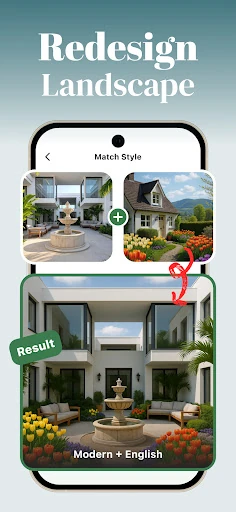
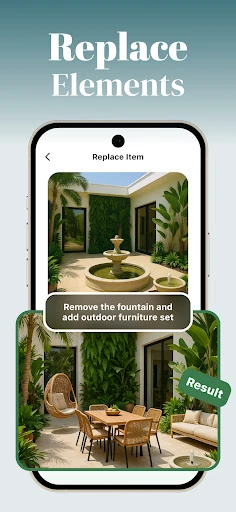
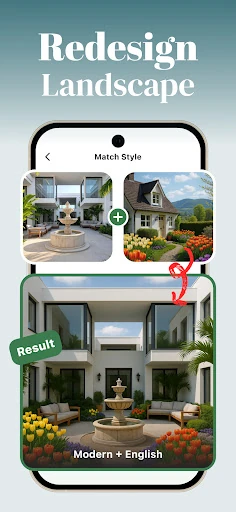
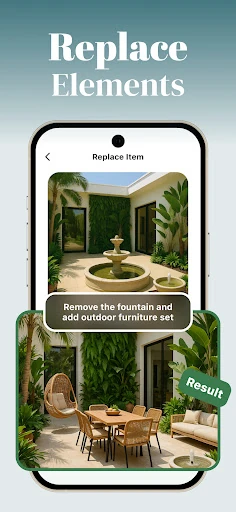
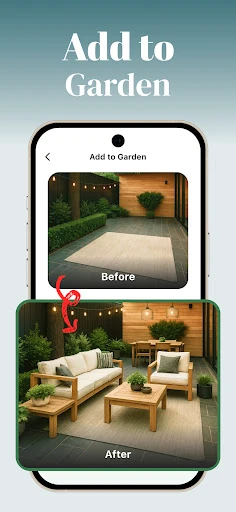
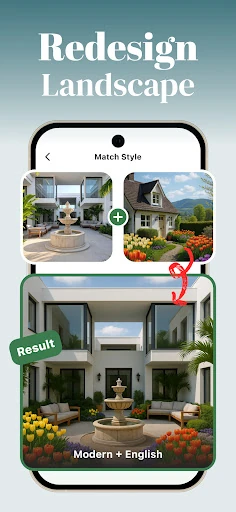
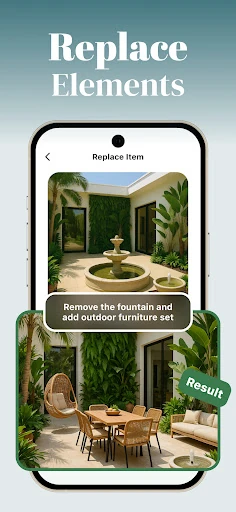
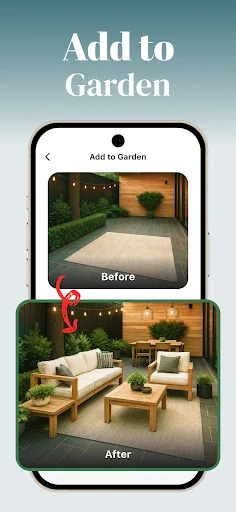
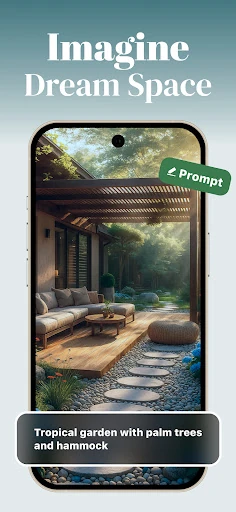
- Pro AI Landscape Design: Addresses the difficulty of outdoor planning by intelligently tracking existing structures like fences and walls while overlaying new plants and furniture.
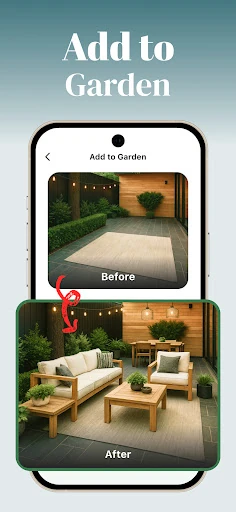
- Interactive Before/After Slider: Enhances user confidence by providing a side-by-side comparison of the original space versus the AI-generated proposal, facilitating better decision-making.
- Sketch & Edit Functionality: Bridges the gap between automation and customization, allowing users to draw specific ideas and test materials before committing to a purchase.
- Export & Share: Facilitates collaboration between homeowners and contractors by allowing designs to be saved and shared as high-resolution visual guides.
🎨 User Experience & Design
The user interface of Nano Home is built around the principle of accessibility, adhering to the high standards expected in the House & Home category. The UX minimizes friction by removing the need for complex manual inputs, favoring a "one-click" generative approach that appeals to the casual DIYer. Visually, the app prioritizes clarity, though its performance is heavily tied to the quality of the user's input photo. The inclusion of structural tracking shows a deep understanding of user psychology; users are more likely to trust an AI design if it respects the physical boundaries of their actual home rather than producing "floating" or unrealistic artifacts.
⚖️ Pros & Cons Analysis
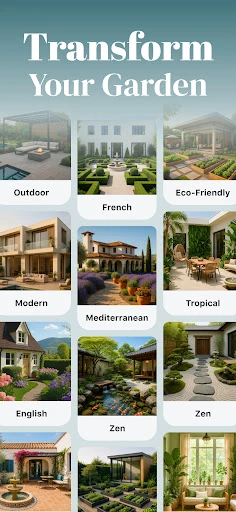
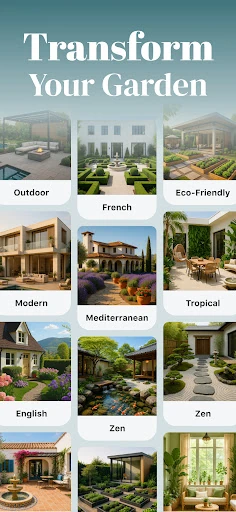
- ✅ The Good: Exceptional speed in generating 20+ diverse design styles, from Scandinavian to Zen Gardens.
- ✅ The Good: Precision structural tracking that preserves walls and fences, ensuring realistic and actionable outcomes.
- ❌ The Bad: Heavy reliance on natural lighting conditions for accurate texture rendering and AI consistency.
- ❌ The Bad: Limited ability to specify exact furniture dimensions or brands, which may frustrate professional decorators.
🛠️ Room for Improvement
To further solidify its position as a market leader, Nano Home could benefit from integrating an e-commerce layer that identifies furniture and plants in the design and links them to real-world retailers. Additionally, improving the AI's rendering capabilities in low-light environments would increase its utility for users taking photos of basements or nighttime garden layouts. A dedicated "Materials Library" where users can manually select specific wood grains or tile patterns would also enhance the precision of the renovation tool.
🏁 Final Conclusion & Recommendation
AI Garden & Home: Nano Home is an essential tool for homeowners planning DIY renovations, renters looking for decor inspiration without permanent changes, and real estate agents requiring quick virtual staging. It successfully transforms complex design theory into a simple, mobile-first experience. For anyone standing in a room and wondering "what if," this app provides the most efficient and visually satisfying answer currently available on the market.