
Advertisement
Click to download now, finish the installation quickly, and directly unlock the "all-round experience"
Advertisement
Screenshots

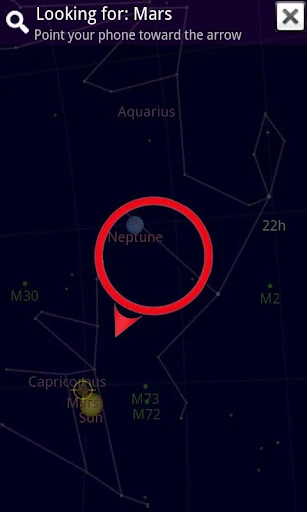
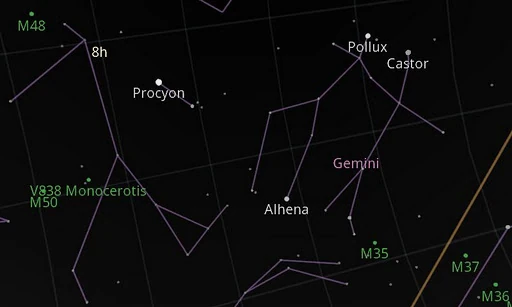
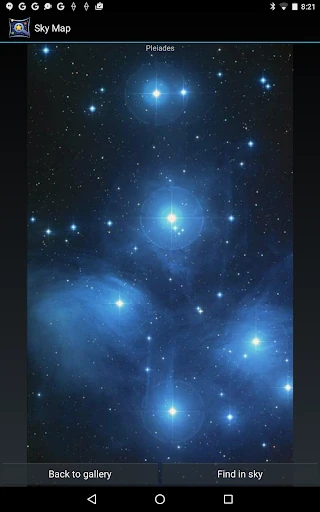
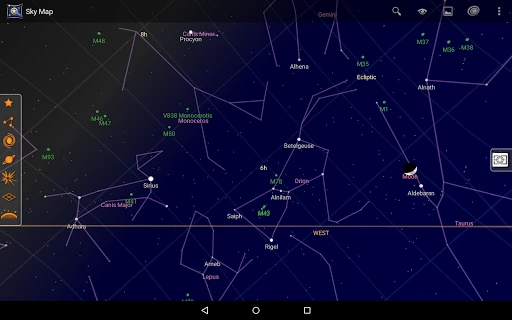
Click to download now, finish the installation quickly, and directly unlock the "all-round experience"
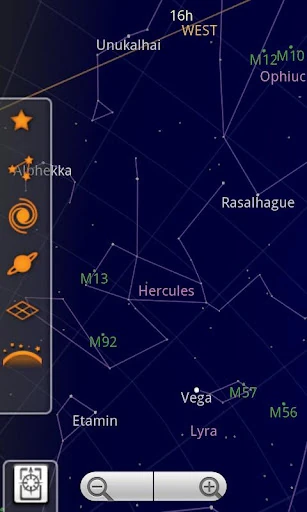
Sky Map remains a cornerstone of the mobile astronomy space, originally born as Google Sky Map and now thriving as an open-source project. Within the Books & Reference landscape, it serves as a quintessential educational tool, bridging the gap between abstract star charts and the real-world night sky. It is a no-nonsense, lightweight application that prioritizes functionality and transparency over flair, making it an essential utility for anyone looking to turn their smartphone into a personal planetarium.
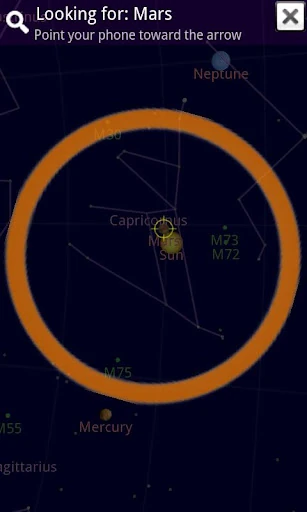
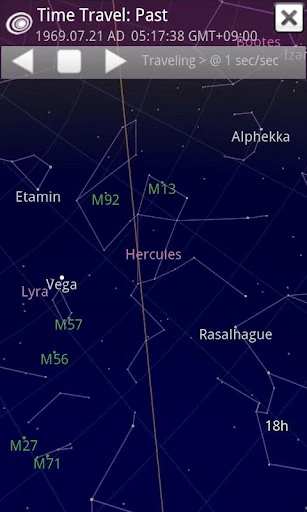
The UI of Sky Map is intentionally utilitarian, adhering to a functional design philosophy that prioritizes speed and accuracy. While the interface may feel slightly legacy compared to modern aesthetic trends, its UX is highly effective for its category. The "point-and-identify" mechanic is seamless, and the toggle-based menu system allows for quick adjustments in dark environments. For a Books & Reference app, its ability to provide immediate context to the physical world around the user creates a highly immersive educational experience that minimizes the learning curve.
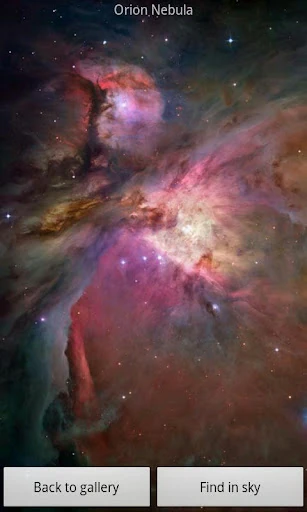
To better compete in the current Books & Reference market, Sky Map could benefit from an updated UI that includes higher-resolution textures for nebulae and planets. Additionally, integrating a more robust database of celestial history or "astronomy facts" within the app would enhance its value as a deep-learning resource. Adding a "night mode" with more varied red-light intensity levels could also help preserve night vision for serious stargazers.
Sky Map is the ideal recommendation for amateur astronomers, educators, and casual observers who value a clean, ad-free experience. While it may not offer the cinematic visuals of some paid alternatives, its reliability and open-source integrity make it a top-tier reference tool. It is a must-have for anyone seeking a straightforward and honest window into the cosmos.